Kedarkantha runs from December through April. A December trek and an April trek on the same route aren't really the same trip — the snow, the crowd, and the difficulty of the final summit push all shift with the calendar. Pick the month for what you actually want out of it, not just whichever week happens to be free.
Quick Answer
|
December to February gets the most snow and the coldest nights — this is peak season, and it books up first. March and April trade some of that snow for easier trail conditions and a thinner crowd. October and November sit outside the main season and run mostly clear of snow. June to September is monsoon, and Himalayan Holidays doesn't run Kedarkantha batches in that window. |
Month-by-Month Breakdown
Peak Winter: December to February
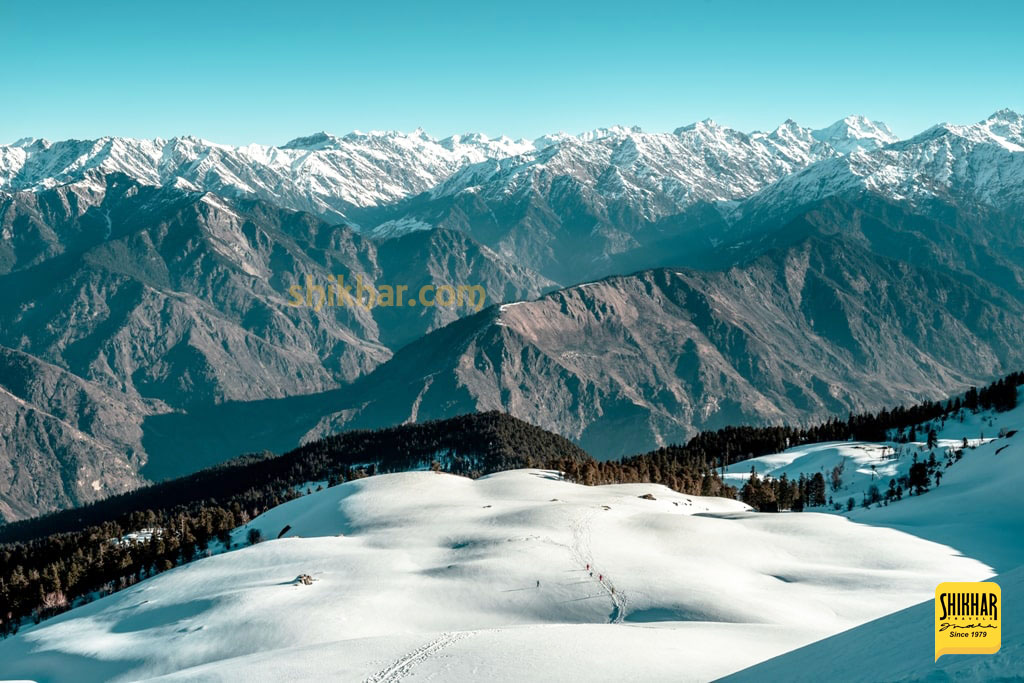
This is the trek most photos of Kedarkantha come from. Snow cover is at its deepest here, nights at base camp get cold enough that sleeping gear needs a sub-zero rating, and December–January weekends are the busiest batches on the calendar. If you want the classic white-out Himalayan look, this is the window. Book early — these dates go first.
Late Winter: March to April
Snow holds at the higher camps and the summit even as the lower trail turns green again. Days run milder than January. The crowd thins out compared to the December rush, but you're not giving up the snow experience to get that.
The Shoulder Season: October to November
Less snow — sometimes none at all on the lower trail — and a noticeably quieter route. Worth picking on purpose if clear Himalayan views matter more to you than deep snow. It's a different trek, not a lesser version of the winter one.
Skip This Window: June to September
Monsoon across the Garhwal Himalayas brings unstable trails and landslide risk on the approach roads. Himalayan Holidays doesn't operate Kedarkantha batches in this window, and pushing for it isn't worth the risk even if it's the only stretch that fits your calendar.
Season Comparison at a Glance
|
Period |
Conditions |
Crowd Level |
Best For |
|
Dec – Feb |
Deepest snow, coldest nights |
Busiest — book early |
Classic winter snow trek |
|
Mar – Apr |
Milder days, snow at higher camps |
Thinner than peak |
Snow without peak-winter cold |
|
Oct – Nov |
Light or no snow, clear skies |
Quietest |
Views over snow |
|
Jun – Sep |
Monsoon — not operated |
N/A |
Not recommended |
Trek Snapshot
|
Detail |
Value |
|
Summit altitude |
12,500 ft (about 3,800 m) |
|
Trek distance |
Approximately 20 km — some route variants run closer to 22–23 km |
|
Duration |
5–6 days, Dehradun to Dehradun |
|
Difficulty |
Easy to moderate — the summit push is the demanding stretch |
|
Base village |
Sankri |
|
Region |
Govind Pashu Vihar National Park and Wildlife Sanctuary, Uttarkashi district |
Exact distance and day count vary by operator and route — this snapshot reflects the range seen across current published itineraries, including Himalayan Holidays' own.
How the Season Changes the Difficulty
The trail itself doesn't change much between months. What changes is the last stretch to the summit. In peak winter that climb can be icy depending on the week, and you're doing the first part of it in the dark before sunrise. By March and April the same climb is usually easier underfoot — the trade-off is that the trail runs a bit longer, since snow has retreated higher up the mountain.
Itinerary on This Route
This is Himalayan Holidays' current day-wise plan. Other operators split the days differently, so treat this as one specific route rather than a universal fact about the trek.
- Day 1: Dehradun to Sankri — long drive, overnight in a hotel.
- Day 2: Sankri to Juda Ka Talab (4 km) — pine forest, ending at a lake that partly freezes over in winter.
- Day 3: Juda Ka Talab to base camp (4 km) — open, snow-covered ground with Swargarohini and Bandarpoonch in view.
- Day 4: Summit day — base camp to Kedarkantha peak and down to Hargaon (9 km on this route). Starts before sunrise; the steepest stretch of the trek.
- Day 5: Hargaon to Sankri (5 km) — a shorter day, back to a hotel for the night.
- Day 6: Sankri to Dehradun — return drive.
Getting to Sankri
Jolly Grant Airport and Dehradun railway station are the nearest points of entry — Sankri itself has neither. The exact road distance depends on who you ask: Himalayan Holidays' own package page puts Dehradun to Sankri at roughly 193 km, while other operators publish figures anywhere from 195 to 210 km for the same drive. The road runs via Purola and Mori, and most packages build the drive into Day 1 and Day 6 of the itinerary.
Permits and Guide
Kedarkantha runs through the Govind Pashu Vihar National Park and Wildlife Sanctuary, so forest entry rules apply on this route. Himalayan Holidays handles the permit as part of the package, and a local guide accompanies every batch. If you're planning anything outside a guided package, confirm the current permit process and guide requirement directly with the Uttarakhand Forest Department — those rules get revised, and a trek operator's blog post isn't where you want a legal answer to come from.
Weather
Base camp nights fall well below freezing in peak season; daytime is milder, especially in direct sun. Exact numbers shift year to year with weather and snowfall, so pack in layers for a range of conditions rather than for one forecast.
What to Pack
The core kit stays the same year-round — layering matters more than any single item:
- Waterproof trekking shoes with real grip, broken in before the trek.
- Thermal base layers, a fleece, and a waterproof outer jacket — three or four thinner layers handle temperature swings better than one heavy coat.
- Warm gloves (inner fleece plus outer waterproof), a cap, and a headlamp with spare batteries.
- Trekking poles, a 1-litre water bottle, sunscreen, and UV-protected sunglasses — snow reflects UV more than most people expect.
- A sub-zero sleeping bag for December–February; a lighter one works for March–April or October–November.
Start basic cardio a few weeks out — brisk walking, jogging, or cycling. How much you need depends on your current fitness, but there's no shortcut for it on summit morning.
Common Mistakes to Avoid
- Packing for daytime cold and underestimating how much colder camp gets after dark.
- Wearing regular sneakers instead of proper trekking shoes — the grip difference shows up fast on packed snow.
- Treating the Sankri overnight as a formality instead of using it to rest before the altitude gain starts.
- Booking a December or January slot at the last minute and finding preferred dates already full.
- Skipping travel insurance that covers high-altitude trekking and evacuation.
Pro Tips from the Trail
- Keep your water bottle inside your jacket overnight in winter — it can freeze solid in an outer pocket.
- The trail runs through a no-network zone past Sankri. Don't plan around having signal.
- Walk your own pace on the summit push — matching a faster group member's speed is a common way people run out of energy before the top.
- Report headache, nausea, or unusual fatigue to your trek leader as soon as you notice it. Don't wait to see if it passes on its own.
What It Costs
|
Pickup Point |
Price |
|
Sankri to Sankri |
₹7,200 + 5% GST |
|
Dehradun to Dehradun |
₹8,500 + 5% GST |
Both options include stay, meals, camping gear, guide, and permits. Offloading (having someone else carry your backpack) is ₹300 per day extra. A 50% advance confirms your batch, with the balance due 30 days before departure. Cancellation runs 25% of the invoice beyond 60 days out, 50% between 30 and 60 days, and the full amount inside 30 days. These are current figures from Himalayan Holidays' own booking page as of this write-up — prices and batch dates do shift, so confirm on the live page before you commit.
Why Book With Himalayan Holidays
Himalayan Holidays is registered with the Ministry of Tourism, Government of India, as an Inbound and Adventure Tour Operator, and with the Indian Mountaineering Foundation. Permits and guide fees are built into the quoted price rather than added on later.
Frequently Asked Questions
What is the best month for the Kedarkantha trek?
December to February for the most snow. March–April if you want a lighter crowd and easier footing on summit day. October–November if you'd rather skip the snow entirely.
Is Kedarkantha suitable for beginners?
Yes, generally. The trail itself is gentle; the summit climb is the one genuinely steep stretch, and it's manageable with reasonable fitness and proper footwear.
Do I need previous trekking experience?
No. It's commonly chosen as a first Himalayan trek for exactly that reason.
How cold does it get?
Base camp nights fall well below freezing in peak winter. Exact figures vary by year and weather — layer for a range, not a single number.
Is a guide mandatory?
A local guide accompanies every Himalayan Holidays batch. If you're trekking independently, confirm current Forest Department rules directly rather than relying on any operator's blog.
What is the total trek distance?
Around 20 km on most published itineraries, though this varies by operator and route.
Will I have phone signal during the trek?
No — the trail runs through a no-network zone past Sankri.
Is travel insurance required?
Not mandatory on this package, but worth having — specifically cover for high-altitude trekking and evacuation.
How far in advance should I book?
December–January batches fill first, so book those early. Other months have more flexibility.
What happens if the weather turns bad on summit day?
The trek leader makes the call on the spot. Safety comes before sticking to the original plan.
Before You Book: Three Things to Settle First
- Pick your window — December for the deepest snow, March–April for the same trek with an easier summit push, October–November to skip the snow and the crowd.
- Check your fitness runway. A December or January date less than a month out means starting cardio prep now.
- Confirm the batch before booking flights. December–January dates fill first — call or WhatsApp to check availability before locking in anything else around it.
|
Planning Your Kedarkantha Trek Call or WhatsApp +91 9717891140 (Vikas Chauhan) to check batch availability, or view full pricing and inclusions on the Kedarkantha Winter Trek Package page. |
Must Reads on: