Descriptions
Dayara Bugyal shows up on nearly every "easy Himalayan trek" list, and the reputation mostly holds. The route runs from Uttarkashi through forest into a high meadow, with Bandarpunch visible once you clear the treeline. The standard route doesn't involve glacier crossing or rope work. That's not the same as saying winter conditions are casual — snow, cold nights, and an exposed final stretch on summit day still call for real preparation.
This guide covers what Himalayan Holidays' package includes, where the altitude and distance figures published for this trek actually disagree with each other, and what to confirm before you hand over a deposit.
What Is Dayara Bugyal?
It's a high-altitude meadow — a bugyal — in Uttarkashi district. Uttarakhand Tourism's master plan puts its elevation at approximately 3,408 m. Wikipedia lists 3,639 m for the same site. Neither figure is wrong on its face; they're likely referencing different points on a meadow that isn't flat, and no source I've found pins down exactly which point each number describes. Treat both as approximate rather than picking one to sound authoritative.
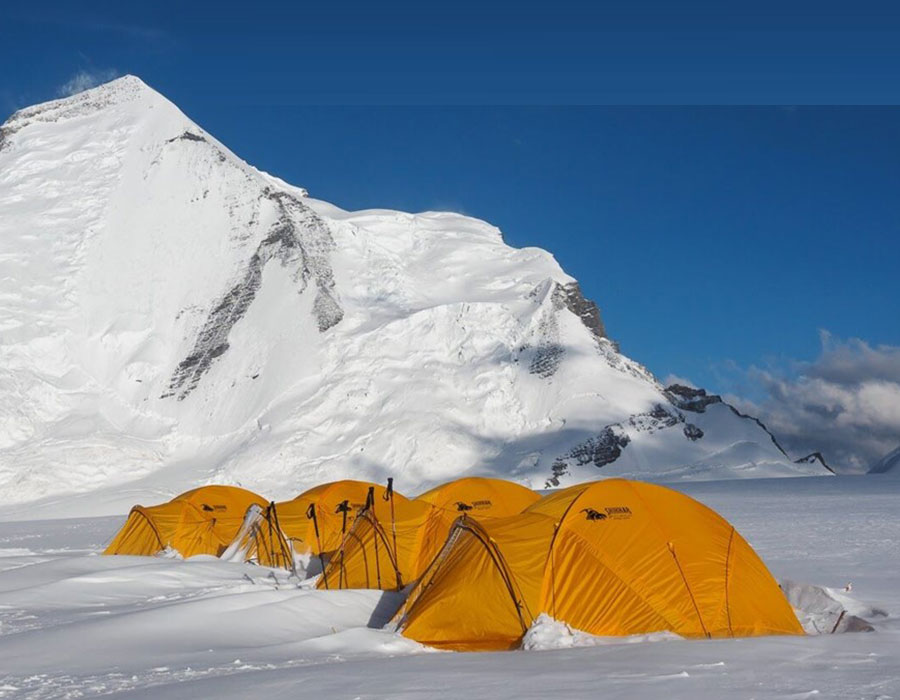
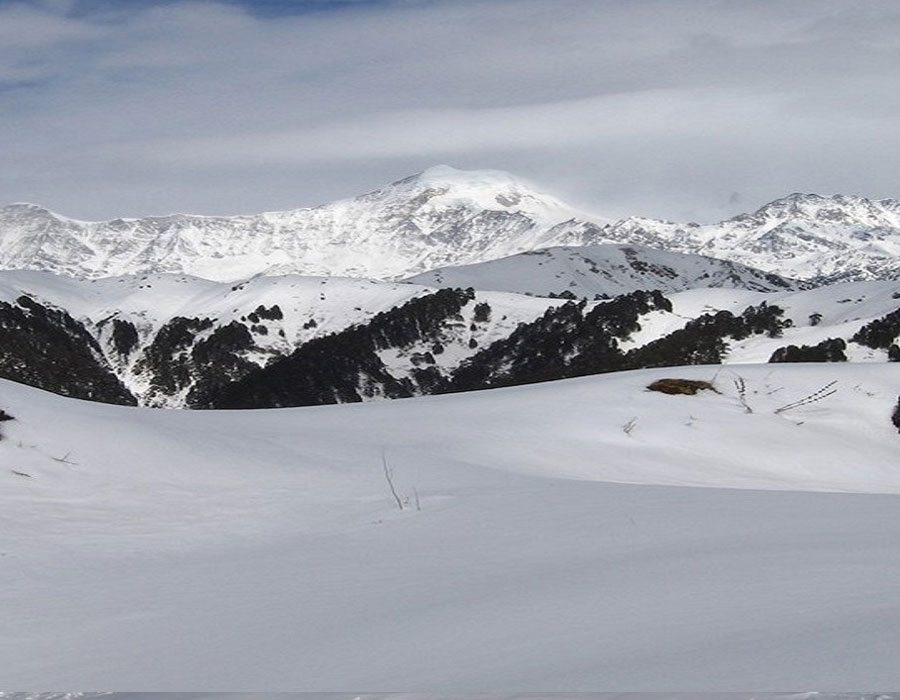
The meadow turns green with wildflowers in summer and grazing cattle. In winter it takes on snow cover, which is the draw for this particular package. How much snow, and for how long, depends on the year — nobody can promise you a snow-covered meadow on a specific date.
Program
DAY 01: ARRIVE UTTARKASHI (1160 M)
Arrive in Uttarkashi, check-in at the hotel (Shikhar Nature Resort), and later in the evening, you will meet with Himalayan Holidays Sherpa and Kitchen staff and have a discussion regarding the onward plan of the expedition. Overnight stay at SNR.
Shikhar Nature Resort Campsite is on the bank of the river Bhagirathi. After freshening up, assemble for the briefing of the trek by our trek leader. Later in the evening, you can visit Uttarkashi town, There are several temples in the town, like Vishwanath temple, Hanuman Temple, etc. Post-visit, return to the campsite for dinner and an overnight stay. To reach Uttarkashi, you can take a train (Dehradun Shatabdi) from New Delhi railway station or a direct flight to Dehradun airport (Jolly Grant). From Dehradun, take a local bus; it will take 7 hours to reach Uttarkashi, or you can also take a direct bus from the ISBT Kashmiri gate to Uttarkashi. From Delhi, Uttarkashi is 395 km.
Meal: Dinner
DAY 02: UTTARKASHI – RAITHAL - GUI (2,160M; DRIVE 35KMS; TREK 3 KMS; 04 HRS)
After breakfast, drive to Raithal Helipad (35 km/1.5 hours). Thereon, trek through thick forest for 4 km/3 hours to reach Gui Village in Dayara Bugyal. Packed lunch. Arrive by later afternoon. Evening tea with cookies. Overnight camp at Dayara in tents.
Meals: Breakfast, Lunch and Dinner
DAY 03: GUI - CHILAPADA (2,990M; TREK 3.5 KMS; 03 HRS)
In the morning, we will start our trek to Chilapada. The trail goes through a forest and ends at the meadows. Set up a campsite near a small stream; later, explore the area, and you will see the beautiful Bandarpoonch range. Dinner and overnight stay.
Meals: Breakfast, Lunch and Dinner
DAY 04: CHILAPADA - DAYARA TOP - GUI (3,690M; 06 KMS; 07 HRS)
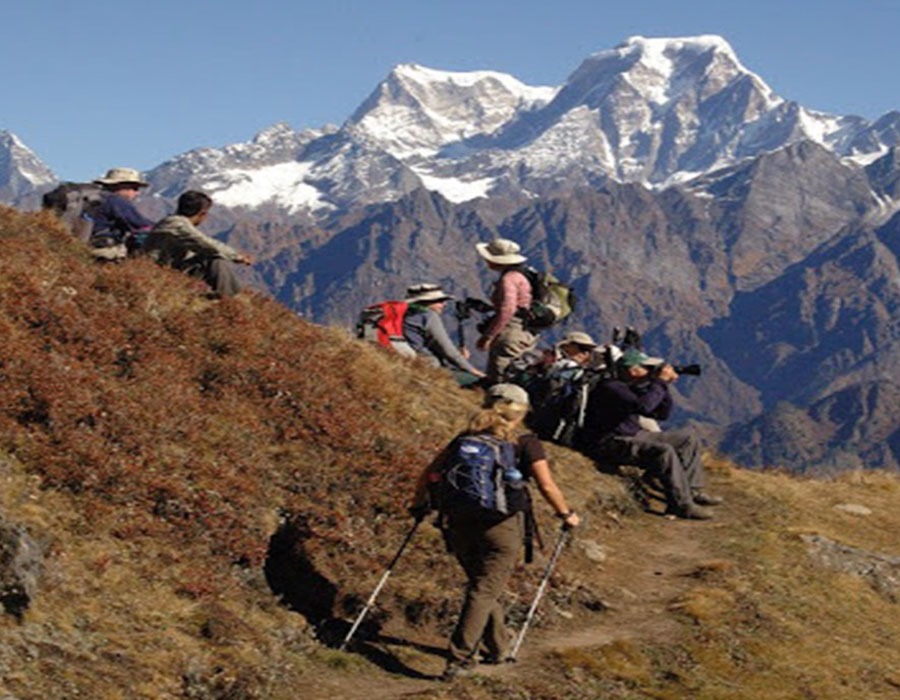
This day will be our summit day. The starting trail will be under the forest, then it will open to large meadows with colourful flowers. When you are near the top, you will spot a snowy water stream. Fill your water bottles for a final, steep climb. Once you reach the top, you will see the Dodital range and the Bandarpoonch range. You will see a mind-blowing view of landscapes, forests, and mountain peaks. After clicking on some amazing pictures, start your return trek to the campsite.
Meals: Breakfast, Lunch and Dinner
DAY 05: GUI - RAITHAL - UTTARKASHI
After breakfast, start your downhill trek to Raithal. On arrival, board the cab and drive to Uttarkashi. Our cab will drop you off at Uttarkashi If you need further assistance, contact in our branch office (Shikhar Nature Resort)
Meals: Breakfast, Lunch
Route and Distance
This is where published sources genuinely conflict, and I'd rather show you the conflict than paper over it.
|
Source |
Distance Given |
|
Wikipedia |
~40 km from Uttarkashi town |
|
Uttarkashi District Administration |
~30 km road access + ~9 km forest trek |
|
Uttarakhand Tourism master plan |
~6 km from Raithal, ~8 km from Barsu |
|
Independent trek operators |
Figures vary by route and campsite |
Himalayan Holidays' own itinerary lists a 35 km drive from Uttarkashi to Raithal. That's close to, but not identical to, the district administration's 30 km figure — plausibly a difference in exactly where the drive is measured to. I'm not going to average these into a fake precise number. If the exact distance matters to you — for timing a pickup, say — ask the operator for the itinerary sheet rather than trusting any single blog's figure, including this one.
Raithal and Barsu both lead into the same meadow system and sit close to each other. Natin is a third village used by some Dehradun-based operators; I don't have a verified distance for it, so I'm not going to guess one.
Best Time to Go
Winter (roughly November through January) is when this package runs, and it's when you get snow cover — assuming the season delivers snow, which isn't guaranteed on any fixed calendar. Summer gives you a green meadow and easier nights, no snow. Monsoon is the one season most operators steer people away from, for the usual reasons: slippery trail, reduced visibility.
If snow is the reason you're doing this trek, book winter and accept the risk that a warm year gives you less of it. If you just want an easy Himalayan walk without the cold, book summer instead. There's no version of this trek that guarantees both comfort and snow.
Altitude and Fitness
The trail gains height gradually over the five-day itinerary rather than all at once, which is generally easier on the body than a fast ascent — but that's a general statement about pacing, not a claim that altitude sickness won't happen here. It can, even on a trek graded easy to moderate. If you've had altitude illness before, get medical advice before you book, not after you're at Chilapada wondering if the headache is normal.
Permits and Documents
You'll need a government photo ID, and the operator handles forest entry registration as part of the package. Beyond that, I'm not going to state exact fee amounts or a hard "medical certificate is mandatory" rule — the sources I've checked disagree on the fee, and requirements can shift between seasons and operators. Ask Himalayan Holidays directly what's currently required for the 2026 batches, including whether a medical certificate is something they ask for or something the Forest Department demands. Those are two different things and worth knowing which one applies.
Cost
₹13,300 per person is Himalayan Holidays' listed price for this package. I can't independently verify that this is still current, and I'm not going to compare it against other operators' prices without knowing what those packages actually include — duration, transport, and inclusions vary enough between operators that a bare price comparison would be misleading. Confirm the current rate, GST treatment, and exact inclusions directly before paying a deposit.
What the package includes, per the operator's own listing: full-board tented accommodation, transfers between Uttarkashi and Raithal, camp equipment and staff, porterage capped at 10 kg of personal luggage, sleeping bags and mattresses, and one trek escort plus one local guide. Not included: GST, personal expenses, weather-related extra costs, and travel insurance.
One thing worth flagging on your own: standard travel insurance often excludes high-altitude trekking and helicopter evacuation specifically. Check the policy wording, not just whether you have a policy.
Cancellation Policy
This is the operator's own stated policy, not something I've verified independently, but it's specific enough to be worth stating plainly: cancellations 60 or more days before departure cost 25% of the invoice, 30–60 days out cost 50%, and anything inside 30 days forfeits the full amount. Refund requests for unused services need to go in within two weeks of the trip ending.
Who Runs This Trek
Himalayan Holidays operates under Shikhar Travels India Pvt. Ltd. The company's own site states recognition by the Ministry of Tourism as an Inbound and Adventure Tour Operator, and registration with the Indian Mountaineering Foundation. I haven't independently checked those registrations against government records — if that matters to your decision, ask for the registration numbers directly rather than taking the website's word for it, mine included.
Price & Inclusions
₹ 13,300/-
Inclusion Details
- Accommodation is on a full-board basis in a tented camp during the whole tour.
- The vehicle arrangements are as follows: Transfer from Uttarkashi - Raithal - Uttarkashi
- Complete kitchen and camp equipment during trekking, including camp staff.
- Transportation or portage of member’s personal luggage (maximum 10 Kgs.)
- Sleeping bags and mattresses for the whole tour.
- Kitchen and camp equipment during the trek.
- 01 English-speaking Himalayan holiday escort / guide from Uttarkashi as per the program.
- 1 local guide from Uttarkashi for the whole trek.
Exclusion
The cost does not include:
- GST 05%
- Personal expenses such as table drinks, room’s services items, telephone calls at the camps, tips, etc.
- Any additional expenses caused by or liability for disturbance in trip program due to or circumstances such as weather
- conditions, sickness, natural disasters, riots, etc.
- Liability for or insurance against injury, loss of life, accidents, or loss of goods.
- Any personal high-altitude porter, riding horse or pony.
- Camera fee, if any are applicable.
Book Your Insurance with Himalayan Holidays Call for information: (9717891140 Vikas Chauhan)
Note: Please ensure your insurance covers you for the heights you are likely to attain and for helicopter rescue as well. When you have chosen and booked your insurance, please provide Himalayan holidays with your insurer's name, their 24-hour emergency telephone number, and your policy number with them.
Book Your Insurance with Himalayan Holidays Call for info: (9717891140 Vikas Chauhan)
Cancellation Policy
- Cancellation Charges: Notice of cancellation must be made in writing in the name of Himalayan Holidays.
For cancellations made 60 days prior to the start of the tour, there will be a cancellation fee of 25% of the invoice. - For cancellations made within 60 to 30 days of the start of the tour, there will be a cancellation charge of 50% of the invoice. For cancellations made within 30 days of the start of the tour, there will be a cancellation charge of 100% of the invoice.
- In certain cases, the cancellation policy (including conditions applicable to the advance deposit made or required for holding the reservation) may differ and would be applicable as per the cancellation policy of that hotel / service provider. This will be charged in addition to the cancellation policy.
Unused Services and Refunds
- No refund will be made for any unused services or other arrangements due to any changes in schedule made by passengers while travelling. However, in certain cases, the refund will be considered as per the policy of the carrier, hotel, tour company, or other supplier used for providing services.
- A refund request must be made within 2 weeks of the completion of the trip.
- If there are any additional expenses due to bad weather or any other reason beyond the control of the tour operator on account of hotel stays, transportation, meals, etc., an extra bill will be raised. Neither Himalayan Holidays. nor the participating suppliers or hotels will be responsible for the additional expenses.
Responsibility, Liability
All the packages are sold under the business management of Himalayan Holidays, and they are in no way considered the principal or operator of the subject services. The right is reserved to cancel or alter any package as conditions require. Neither Himalayan Holidays nor the participating suppliers or hotels will be responsible for the additional expenses due to loss, delay or damage caused by accident, illness, bad weather, strikes or riots, roadblocks, etc.
Governing Law
This condition and each term shall be governed by and constructed in accordance with the laws of India without reference to conflict of laws principles, and disputes arising in relation hereto shall be subject to the exclusive jurisdiction of the courts of New Delhi.
Making a booking deposit for the above tour will be treated as acceptance of our terms and condition.
FAQs
Is Dayara Bugyal good for beginners?
It's commonly described as easy to moderate, without technical climbing on the standard route. That's a description of route difficulty, not a guarantee that winter cold and altitude won't challenge you.
What's the altitude?
Government tourism sources say 3,408 m. Wikipedia says 3,639 m. Both are cited elsewhere; nobody I've found reconciles the gap. Ask your operator which figure their itinerary is built around.
Do I need a permit?
You need ID and forest entry registration, arranged through the operator. I don't have a confirmed 2026 fee amount or a verified answer on whether a medical certificate is mandatory — ask directly.
When's the best time to go?
November–January for snow, with no guarantee of how much. April–June if you want to skip the cold and don't mind no snow.
What does the ₹13,300 package include?
Tented stay, meals during the trek, camp equipment, sleeping bags, porterage up to 10 kg, and guide services — per the operator's current listing, which you should reconfirm before booking.
Is travel insurance necessary?
Not included in the package. Worth having regardless, but check that the policy actually covers high-altitude trekking and evacuation — many don't by default.
Enquire Now
Photo Gallery


Our Group Sites