Trip Facts
Descriptions
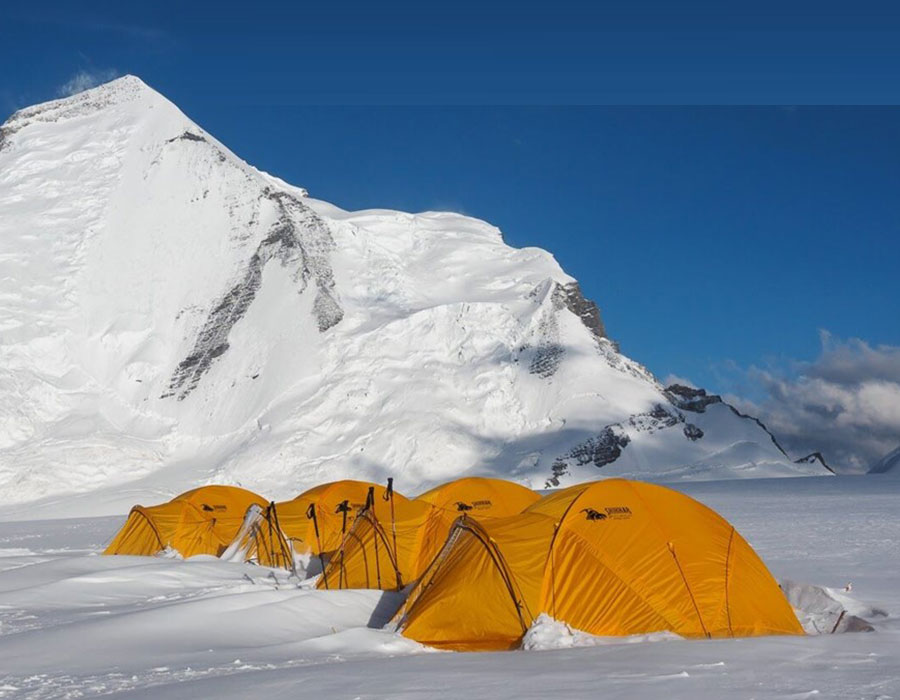
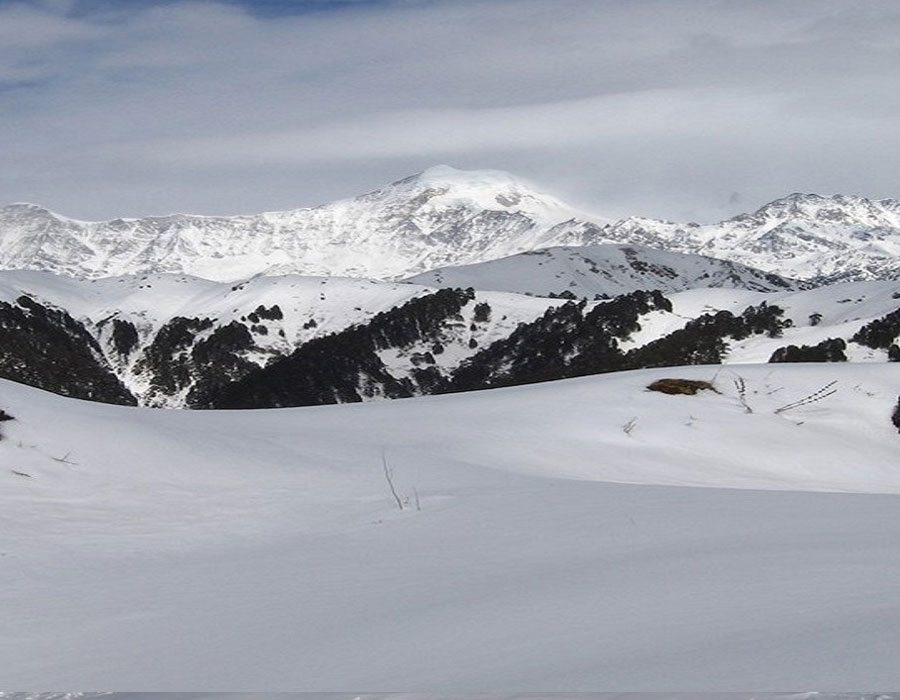
The Mt. Hanuman Tibba Expedition (5,990 m / 19,652 ft) is one of the most respected technical mountaineering challenges in the Pir Panjal Range of Himachal Pradesh, accessible from Manali. Situated near the sacred Beas Kund basin, the Mt. Hanuman Tibba Expedition demands advanced mixed-terrain climbing skills, including route-finding on rock, ice, and snow, crevasse navigation, and multi-day high-camp management.
Known for its complex terrain and alpine character, the Mount Hanuman Tibba Climbing Expedition is ideal for experienced climbers seeking a serious Himalayan objective. The climb offers both technical difficulty and stunning high-altitude exposure, making it one of the most sought-after peaks in the region.
This is an ideal pre-7,000 m expedition for mountaineers who have completed their 6,000 m+ progression and are preparing for objectives such as Mt. Nun (7,135 m), Mt. Satopanth (7,075 m), or international Himalayan climbs.
Quick Facts
|
Detail |
Info |
|
Peak Height |
5,990 m (19,652 ft) |
|
Location |
Pir Panjal Range, Manali, Himachal Pradesh |
|
Duration |
14 Days / 13 Nights |
|
Difficulty |
Technical — mixed rock and ice climbing |
|
Base |
Manali (2,050 m) |
|
Route |
Manali → Dhundi → Bakarthach → Base Camp → High Camps → Summit |
|
Best Season |
May, June, October |
|
Package Price |
₹68,200/- per person |
|
Experience Required |
Prior 5,000 m+ summit; technical climbing skills essential |
|
Technical Skills |
Rock climbing, ice climbing, crevasse navigation, roped team movement |
2026 Batch Dates
|
Batch |
Dates |
Season |
|
Batch 1 |
19 Apr – 02 May 2026 |
Spring |
|
Batch 2 |
06 May – 19 May 2026 |
Spring |
|
Batch 3 |
18 May – 31 May 2026 |
Spring (note: original itinerary had 31 Jun — corrected) |
|
Batch 4 |
13 Sep – 26 Sep 2026 |
Autumn |
Program
Day 1 — Arrive Manali (2,050 m)
Arrive in Manali. Check into the hotel. Meet the expedition team. Evening briefing: detailed overview of the 14-day schedule, route sections, high camp strategy, technical terrain, emergency protocols, and equipment use. Gear inspection completed.
Meals: Dinner | Stay: Hotel, Manali
Day 2 — Manali → Dhundi → Bakarthach
Drive to Dhundi via Solang Nala Valley. Begin trek through alpine meadows and forest, ascending to Bakarthach campsite. First views of Hanuman Tibba's upper ridgeline visible from camp in clear weather.
Trek: 4–5 hrs | Meals: Breakfast + Lunch + Dinner | Stay: Tents, Bakarthach
Days 3–12 — Base Camp Establishment → Summit → Descent
The core 10-day climbing phase covers the following structured stages. These are described day-by-day in the expedition briefing packet provided at the start:
- Days 3–4: Trek to Base Camp via Beas Kund; Base Camp established
- Days 5–6: Acclimatization rotations; technical training on rock and ice
- Day 7: Load ferry and Camp 1 establishment
- Day 8: Camp 1 to Camp 2 (Summit Camp); technical sections with fixed rope
- Day 9: Summit attempt — mixed rock and ice ascent to Hanuman Tibba (5,990 m)
- Day 10: Reserve/rest day for weather buffer or second summit attempt
- Days 11–12: Systematic descent; de-establishment of high camps; return to Base Camp
All meals throughout this phase include high-altitude specialist food at Base Camp and above.
Day 13 — Base Camp → Dhundi → Manali
Descend from Base Camp to Dhundi. Drive back to Manali. Hotel check-in. Celebratory dinner with the team.
Meals: Breakfast + Lunch + Dinner | Stay: Hotel, Manali
Day 14 — Departure from Manali
After breakfast, check out and proceed to onward destinations. Expedition concluded.
Meals: Breakfast
What Makes Hanuman Tibba Technically Demanding?
- Mixed terrain: alternating rock (often loose), ice, and snow sections require multi-technique competence
- Crevasse hazard: the glacier approach demands roped team movement and crevasse rescue awareness
- Steep ice sections: the final approach to the summit involves blue ice on 45–55° slopes
- Exposed ridgeline: the summit ridge is narrow with significant exposure on both sides
- Weather instability: afternoon storms are common in May and June; acclimatization days act as weather windows
- Altitude: at 5,990 m, every technical decision is made in hypoxic conditions
Price & Inclusions
₹ 68200/- Per Person
Inclusion Details
- IMF mountaineering permit + local authority documentation
- Hotel in Manali (twin-sharing, full board) + tents at all camps
- All meals — Breakfast, Lunch, Dinner from Day 1 to Day 14 (high-altitude food at camps)
- Transportation by tourist vehicle
- Certified Mountain Guide services
- First Aid Kit + supplemental Oxygen Cylinders
- 5% GST included
- Mules and Porters for luggage to Base Camp
- Satellite phone + walkie-talkie communication
- Staff and porter insurance
- Full technical equipment: fixed ropes, climbing ropes, high-altitude tents, carabiners, snow bars, ice pitons, gas cartridges
Exclusion
- Any kind of personal insurance
- Personal clothing and climbing gear
- Personal High altitude Sherpa
- Personal expenses such as table drinks, room’s services items, laundry, telephone calls at hotels or tips, etc.
- Any additional expenses caused by or liability for a disturbance in the trip program due to or circumstances, such as weather conditions, sickness, natural disasters, riots, etc.
- Liability for or insurance against injury, loss of life, accidents, or loss of goods.
- Personal Belongings such as a down jacket, walking sticks, etc.
Frequently Asked Questions
1. What is the height of Hanuman Tibba?
5,990 metres (19,652 feet). It is one of the most prominent technical peaks in the Pir Panjal Range near Manali.
2. What prior experience is needed?
Minimum prior summit of a 5,000 m+ Himalayan peak and basic technical climbing skills. Prior Basic Mountaineering Course (BMC) or experience on rock and ice is strongly recommended.
3. Is this suitable as a 7,000 m preparation peak?
Yes. Hanuman Tibba's mixed terrain, multi-day high camp management, and altitude provide excellent preparation for objectives like Mt. Nun (7,135 m), Mt. Satopanth (7,075 m), or Kangchenjunga preparatory peaks.
4. What is the difference between Hanuman Tibba and Manali Peak?
Manali Peak (5,669 m) is an intermediate snow peak suitable for those with basic mountaineering course background. Hanuman Tibba (5,990 m) is technically more demanding — mixed rock and ice, steeper angle, and longer expedition duration. It is the more serious objective.
5. Why is May–June and October recommended?
Post-monsoon October offers the most stable weather window with reduced avalanche risk and clear visibility. May–June catches snow in good condition before monsoon destabilises the slopes. July–August monsoon increases rockfall, loose ice, and poor visibility.
Enquire Now
Photo Gallery


Our Group Sites