.jpg)


Descriptions
The Yulla Kanda Trek is a unique blend of spiritual pilgrimage and Himalayan adventure, located in the Rora Valley of Kinnaur district, Himachal Pradesh. This offbeat trek is famous for leading to the world’s highest Krishna temple, situated beside the serene Yulla Kanda Lake at an altitude of approximately 3,895 meters (12,779 feet).
Far away from crowded tourist trails, Yulla Kanda offers a peaceful and soul-stirring journey through dense forests, wide alpine meadows, glacial streams, and traditional Kinnauri villages. The trek is ideal for travelers seeking spiritual depth, natural beauty, and cultural immersion.
Quick Facts About Yulla Kanda Trek
| Feature | Details |
|---|---|
| Location | Rora Valley, Kinnaur, Himachal Pradesh |
| Altitude | ~3,895 meters |
| Trek Distance | ~12–18 km (round trip) |
| Difficulty Level | Easy to Moderate |
| Suitable For | Beginners with basic fitness |
| Starting Point | Yulla Khas Village |
| Trek Duration | 2 days (excluding travel) |
Key Highlights
- Home to the highest Krishna temple in the world by altitude
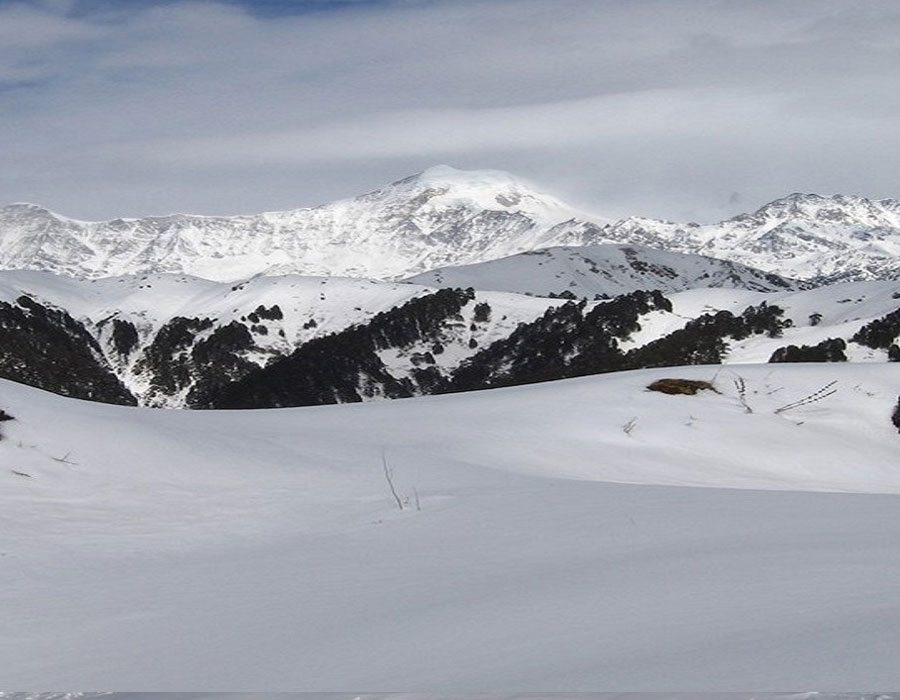
- Sacred high-altitude lake surrounded by snow-clad peaks
- Dense forests of oak, pine, and deodar
- Vast green meadows with glacial water streams
- Extremely peaceful and less crowded trekking route
- Opportunity to experience authentic Kinnauri culture and hospitality
This trek is not just about reaching a destination, but about experiencing calmness, devotion, and nature in its purest form.
Program
Below is a refined 7-day travel itinerary for the Yulla Kanda Trek, integrating travel, rest, and trekking segments.
Day 1 – Arrival & Transit
Route: Delhi / Chandigarh → Shimla
-
Board night transport (Volvo, bus, or taxi).
-
Travel through scenic Shivalik hills and enter Himachal Pradesh.
-
Overnight: Shimla.
Note: This helps acclimatize to higher altitude before deeper mountain travel.
Day 2 – Shimla to Tapri (Kinnaur)
Route: Shimla → Tapri (via NH5)
-
Distance ~190 km, roughly 7–8 hrs.
-
Enjoy apple orchards, riverside views along Sutlej, and Himalayan roadside landscapes.
-
Overnight: Guesthouse in Tapri.
Important: Meals, early rest for trek ahead.
Day 3 – Tapri to Yulla – Trek Begins
Morning: Travel to Yulla Village (approx. 20 km).
Trek: Yulla → Yulla Kanda Base
-
Trek approx. 5–6 km up through forests featuring oak, pine, and deodar.
-
Meadows and streams open up around camp vicinity.
-
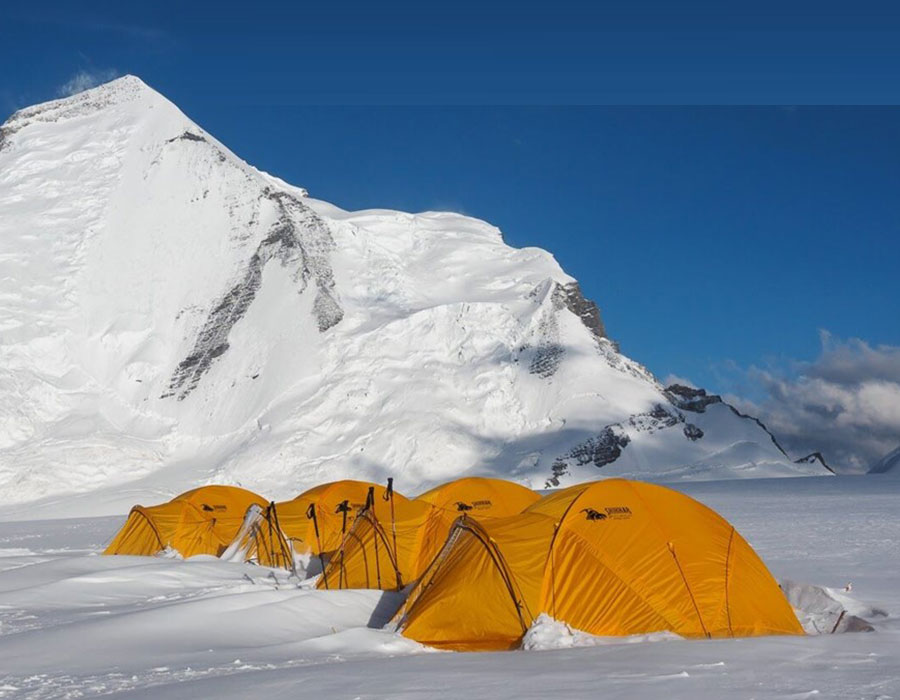
Overnight: Camp near Base Camp.
Fitness tip: Pace yourself early; acclimatize gradually.
Day 4 – Base to Yulla Kanda Lake & Temple
Goal: Reach the sacred high-altitude lake and temple.
-
Trek the steeper last segment (~las few hours).
-
Visit Yulla Kanda Lake and the revered Krishna temple perched beside it.
-
Soak in panoramic views and spiritual ambiance.
-
Return: Descend back to Base Camp.
-
Overnight: Camp / Homestay.
Highlight: The Tibetan-style temple nestled in tranquil lake surroundings offers a unique spiritual peak experience.
Day 5 – Base to Yulla Village
-
Trek down to Yulla Village.
-
Explore local culture, apple orchards, and interact with villagers.
-
Overnight: Homestay in Yulla Khas – traditional Himachali experience.
Day 6 – Return to Shimla
-
Depart Yulla → Tapri → Shimla.
-
Enjoy local markets, river views, and roadside stops.
-
Overnight: Shimla.
Day 7 – Departure
-
Shimla → Delhi / Chandigarh.
-
Conclude the journey with memories of majestic peaks and spiritual serenity.
Best Time to Visit Yulla Kanda Trek
The trek is seasonal due to snowfall and weather conditions in Kinnaur.
| Season | Months | Experience |
|---|---|---|
| Summer | May – June | Pleasant weather, snow patches |
| Monsoon / Early Autumn | July – September | Lush meadows, occasional rain |
| Late Autumn | September – Mid-October | Clear skies, fewer trekkers |
| Winter | November – April | Not accessible due to heavy snow |
Best time overall: Mid-May to Mid-October
How to Reach Yulla Kanda
By Road (Most Preferred Option)
-
Reach Reckong Peo, the administrative headquarters of Kinnaur district
-
From Reckong Peo, travel to Yulla Village via local taxi or shared vehicle
-
Yulla Khas is the base village from where the trek begins
Approximate Road Distances
-
Delhi to Reckong Peo: ~560 km
-
Chandigarh to Reckong Peo: ~340 km
-
Shimla to Reckong Peo: ~220 km
By Train
-
Nearest major broad-gauge railway station: Kalka
-
Nearest hill railway station: Shimla
-
From Kalka or Shimla, continue the journey by road to Reckong Peo and then Yulla
By Air
-
Nearest airport: Shimla Airport (limited connectivity)
-
Major nearby airport: Chandigarh Airport
-
From the airport, road travel is required to reach Kinnaur and Yulla Village
Safety & Practical Tips
- Weather: Snow possible even in early season — check forecasts.
- Mobile network: Weak or unavailable beyond village zones.
- Local guide: Recommended for navigation and safety.
- Respect local sentiment: The site is sacred — avoid loud music and litter.
Price & Inclusions
Price on Request
Inclusion Details
- Documentation/permit and local authority forms.
- Accommodation on sharing basis on Hotels in Shimla and in Tents during approach march till yulla lake.
- All meals, during the entire trip including trek.
- Transportation using tourist vehicles as per program.
- Services of Mountain Guide.
- First Aid kit.
- All taxes including 5% GST.
- Walkie-talkie sets for communication.
- All current taxes including Govt. service tax of 5%
- All major trekking essentials including Tents, sleeping bags etc.
Exclusion
- Any kind of personal insurance.
- Personal clothing and trekking gears.
- Mules and porters for personal luggage.
- Personal expenses such as table drinks, room’s services items, laundry, telephone calls at hotels or tip etc.
- Any additional expenses caused by or liability for a disturbance in the trip program due to or circumstances, weather conditions, sickness, natural disasters, riots etc.
- Liability for or insurance against injury, loss of life, accidents or loss of goods
FAQs – Yulla Kanda Trek
1. Where is Yulla Kanda located?
In the Rora Valley of Kinnaur district, Himachal Pradesh.
2. What is the altitude of Yulla Kanda temple?
Approximately 3,895 meters above sea level.
3. Is Yulla Kanda trek suitable for beginners?
Yes, with basic fitness and proper acclimatization.
4. What is the best time to visit?
Mid-May to mid-October.
5. How long is the trek?
Around 12–18 km round trip.
6. Are permits required?
No formal permits, but a local guide is recommended.
7. Is camping allowed?
Yes, camping is available near base camp and lake.
8. Are medical facilities available?
Basic facilities are available in nearby towns only.
9. Is the trek crowded?
No, it is relatively quiet and less explored.
10. Can families do this trek?
Yes, if members are physically fit and well prepared.
Enquire Now
Photo Gallery


Our Group Sites